

How Businesses Can Reduce Energy Costs Without Reducing Productivity
Rising energy costs don't have to mean cutting back. Learn how smarter monitoring, efficient equipment, and data-driven decisions help businesses lower costs while protecting productivity.
For many businesses, rising energy costs have become an unavoidable part of operations. Whether it's powering manufacturing equipment, running office buildings, or supporting day-to-day commercial activities, energy is one of the largest operating expenses for many organizations.
When costs increase, the first instinct is often to cut back—reduce operating hours, limit equipment use, or postpone expansion plans. While these measures may offer temporary relief, they can also affect productivity, employee comfort, and customer experience.
The better approach isn't to use less energy—it's to use energy more intelligently.
Efficiency Is the New Competitive Advantage
Reducing energy costs doesn't have to mean sacrificing performance. Advances in technology now allow businesses to monitor, analyze, and optimize how energy is consumed across their operations.
By understanding where energy is being used, identifying waste, and making informed improvements, organizations can lower costs while maintaining or even improving productivity.
Energy efficiency is no longer just an environmental initiative. It's a business strategy that supports profitability, operational resilience, and long-term growth.
Start with Visibility
One of the biggest challenges businesses face is not knowing where their energy is going.
Without accurate data, it's difficult to identify inefficient equipment, unnecessary consumption, or opportunities for improvement.
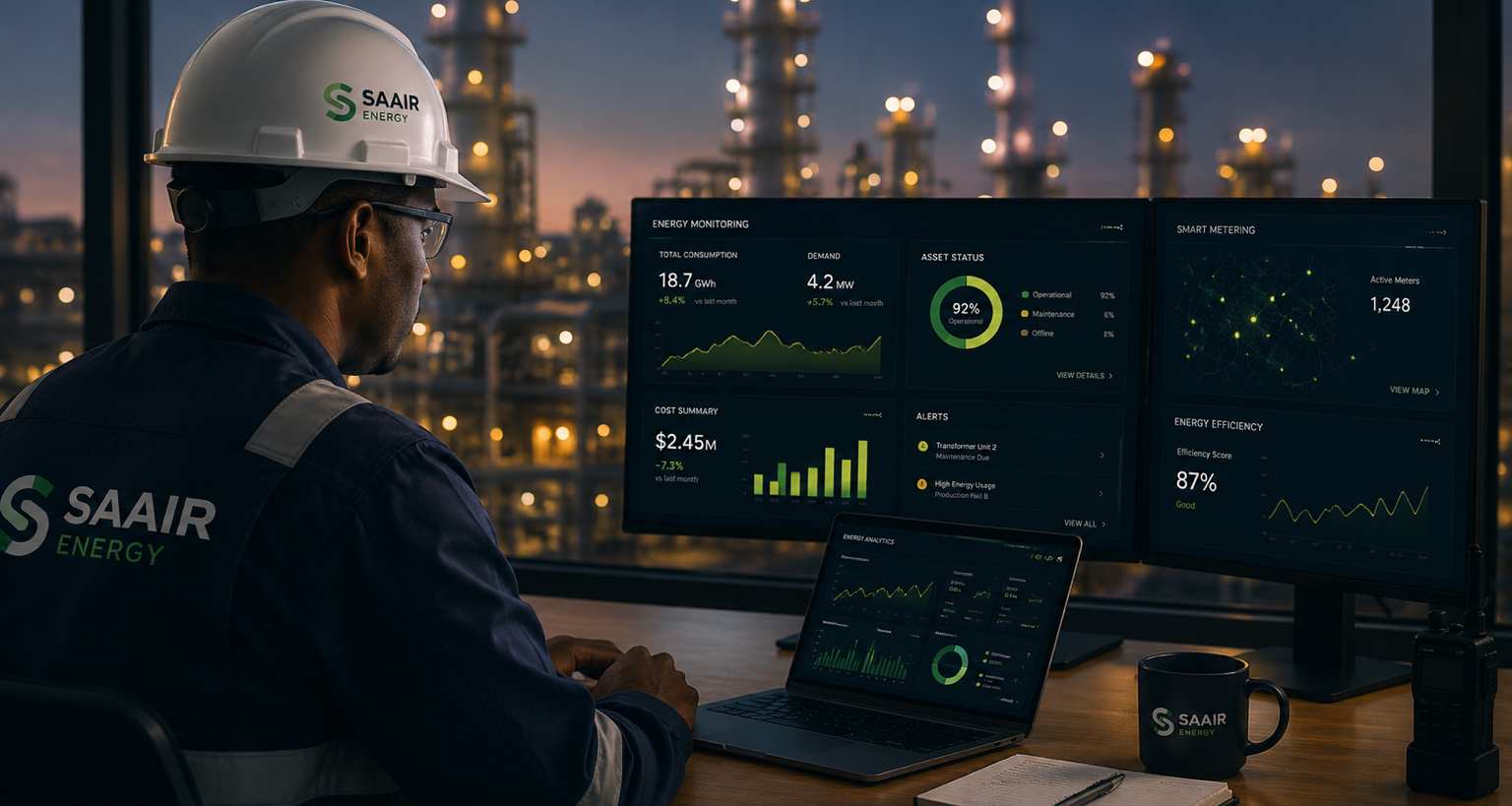
Smart metering and energy monitoring solutions provide real-time insights into energy usage, allowing organizations to make better operational decisions. Instead of relying on estimates, businesses can identify patterns, track performance, and respond quickly when energy use exceeds expectations.
Better visibility leads to better decisions.
Make Equipment Work Smarter
Older or poorly maintained equipment often consumes more energy than necessary. Regular maintenance, equipment upgrades, and automation can significantly improve efficiency without disrupting daily operations.
Simple improvements such as optimizing HVAC systems, replacing outdated lighting with energy-efficient alternatives, or scheduling high-energy processes during off-peak periods can produce meaningful savings over time.
Small operational changes, when applied consistently, often have a greater impact than businesses expect.
Use Data to Drive Better Decisions
Modern energy management goes beyond monthly utility bills. Businesses now have access to data that can predict maintenance needs, highlight unusual consumption patterns, and identify opportunities to optimize performance.
Instead of reacting to problems after they occur, organizations can take proactive steps that reduce downtime, improve reliability, and control operating costs.
This data-driven approach helps ensure that energy supports productivity rather than becoming a barrier to it.
Think Long Term
Reducing energy costs is not a one-time project. It's an ongoing process of continuous improvement.
Businesses that invest in efficient systems today are better positioned to adapt to changing energy demands, rising utility costs, and evolving sustainability expectations. Over time, these improvements contribute not only to lower operating expenses but also to stronger business resilience and a more sustainable future.
Building Smarter Energy Solutions
At SAAIR Energy, we believe businesses shouldn't have to choose between reducing costs and maintaining performance.
Through integrated energy solutions, smart metering, digital monitoring, engineering expertise, and sustainable energy strategies, we help organizations gain greater control over their energy use while improving operational efficiency.
Because the future of energy isn't simply about consuming less, it's about using energy smarter.
Published by SAAIR Energy. Views expressed represent the position of SAAIR Energy and do not constitute investment advice.